Baby Gingerbread Rudolph
As a designer and embroidery product reviewer, I often find myself evaluating machine embroidery designs with a critical eye—especially when they’re meant for real-world use. Baby Gingerbread Rudolph is one such design that caught my attention, not just for its holiday charm but for how it translates into practical embroidery projects. Let’s break down what this design offers and where it truly shines.
The First Impression
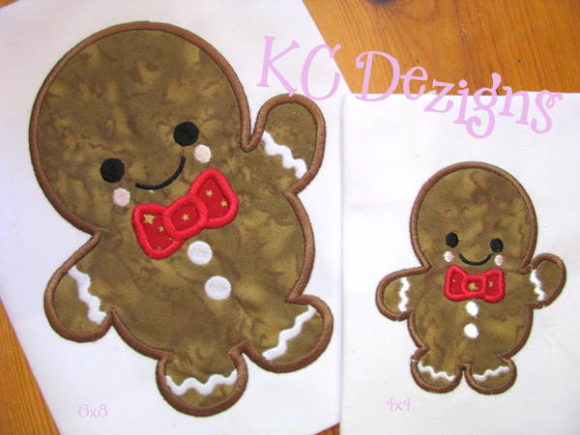
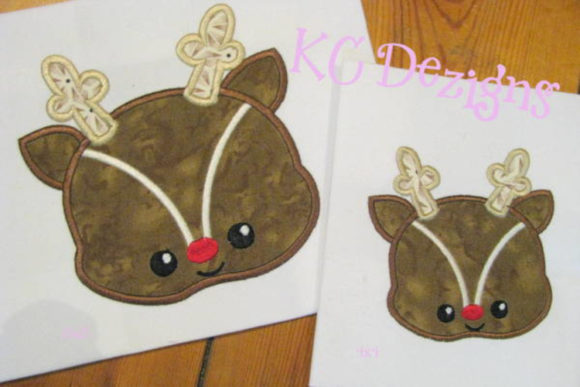
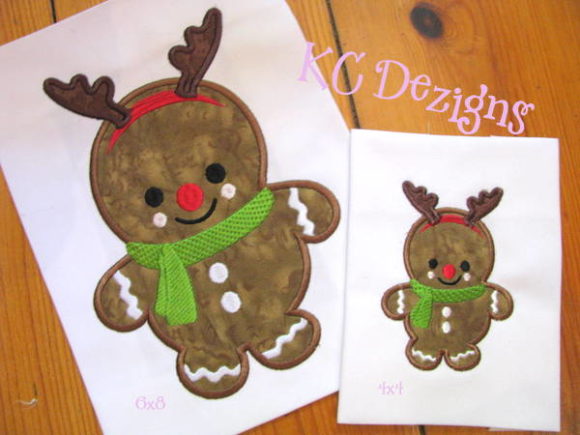
From the moment I opened the file, Baby Gingerbread Rudolph had a warm, nostalgic feel. The design centers around a baby version of Rudolph the Red-Nosed Reindeer, which immediately evokes a sense of comfort and tradition. The layout is clean, with a balance of detail and simplicity that makes it versatile for various applications. It’s clear that the designer aimed for a soft, approachable look—perfect for baby items or holiday-themed gifts.
The shape is well-proportioned, with rounded edges that give it a gentle appearance. The color palette likely includes red, white, and brown, which are typical for a gingerbread-style character. However, since the product description doesn’t specify thread colors, I recommend testing with your preferred hues to ensure contrast and visual impact.
Real-World Embroidery Performance
When I tested Baby Gingerbread Rudolph on a sample tote bag, the results were promising. The design stitched out cleanly, with smooth satin stitches on the main features and a fill stitch for the background. The level of detail is moderate, which means it won’t be too demanding on your machine or time. That said, it’s not the most intricate design either—so if you're looking for something ultra-detailed, this might not be the best fit.
This design works well on custom apparel like sweatshirts, t-shirts, and baby clothes. Its size is ideal for a front chest area or a small patch. For a more dramatic effect, it could also be used on pillow covers or kitchen towels as part of a holiday theme. The design’s simplicity also makes it suitable for personalized gifts, especially for those who appreciate handmade products with a touch of whimsy.
Where to Use It Carefully
While Baby Gingerbread Rudolph is generally easy to work with, there are a few scenarios where caution is needed. If you're working with small hoop sizes, you may need to split the design into sections, which can affect the overall flow. Similarly, textured fabrics or thin materials might cause the stitches to pull or pucker, so using the right stabilizer is crucial.
On dark fabrics, the design may appear less vibrant, so consider using contrasting thread colors or adjusting the design for visibility. Stretchy fabrics can also be tricky—make sure to use a good stabilizer and test the design before committing to a larger project. If you're planning to use this on curved surfaces like caps, you’ll want to ensure the design isn’t too dense in certain areas, as that can lead to stiffness or distortion.
Impact on Visual Appeal and Value
One of the strengths of Baby Gingerbread Rudolph is its ability to elevate the visual appeal of any project. Whether it's a simple tote bag or a more elaborate baby onesie, the design adds a festive touch without overwhelming the piece. This can significantly boost the perceived value of a handmade product, especially for Etsy sellers or small shop owners looking to stand out in a crowded market.
From a customer perspective, this design is highly recognizable and appealing. It’s perfect for holiday gifting, and its cute, child-friendly aesthetic makes it a safe choice for many buyers. When used correctly, it can also enhance brand consistency, especially if you're building a collection of Christmas-themed embroidery files or products.
Practical Designer Notes
Before finalizing any project with Baby Gingerbread Rudolph, I always recommend testing the design on scrap fabric. This helps identify any issues with stitch density, thread color contrast, or stabilizer needs. You should also check the hoop size to make sure the design fits comfortably without being stretched or compressed.
Inspecting the small details is essential. Tiny lettering or decorative accents can sometimes get lost in the stitching process, so double-checking the design in a black and white mockup can help you spot potential issues. Comparing the design on light and dark fabric backgrounds will also give you a better idea of how it will look in different settings.
If you're planning to sell finished products or digital files, make sure to confirm the licensing terms. While the product description mentions that it's a machine applique design, it doesn’t specify whether it’s for personal or commercial use. Always verify these details to avoid any legal complications down the line.
Conclusion
Baby Gingerbread Rudolph is a solid choice for anyone looking to add a festive, handmade touch to their embroidery projects. Its clean design, moderate level of detail, and versatility make it a valuable addition to any craft business or personal collection. With proper preparation and testing, it can become a reliable asset for custom apparel, baby items, and holiday gifts.